
Understanding the psychological triggers that keep you gambling A crazy time casino guide
The allure of randomness
The thrill of gambling often stems from the unpredictability that games provide. The psychological concept of randomness can create a powerful urge to keep playing, as players become captivated by the possibility of winning big. By incorporating crazy time tips, players can better understand how to manage their bankroll while navigating this uncertainty, which is a core element that makes games like Crazy Time so engaging. Players may find themselves continually chasing that elusive win, creating a cycle that can be hard to break.
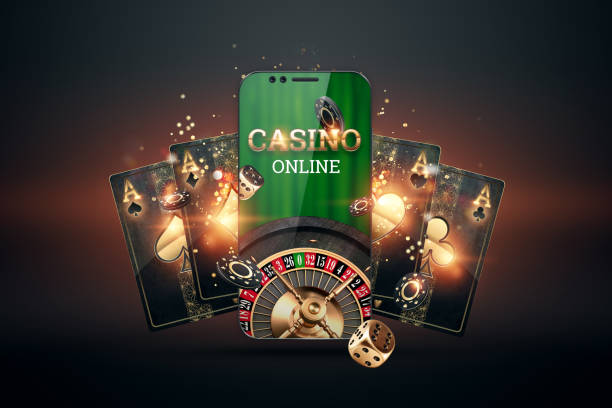
The brain is wired to respond to variable rewards, which are unpredictable and can lead to stronger reinforcement. In gambling, this means that a win can feel even more exhilarating when it comes unexpectedly. This psychological trigger not only keeps players engaged but also encourages them to play longer in hopes of recapturing the same high from a prior win.
Emotional highs and lows
Gambling can induce a rollercoaster of emotions, which adds to its addictive nature. Players often experience intense feelings of excitement during wins and deep disappointment during losses. These emotional spikes can make gambling feel like an intense experience, leading individuals to return to the game to recapture the thrill of winning.
Moreover, the emotional connection can create a sense of investment in the game. Players may develop attachment to their strategies and outcomes, leading to a desire to continue playing despite previous losses. Understanding these emotional triggers can help players manage their experiences and maintain a healthier relationship with gambling.
The social element of gambling
The social aspect of gambling can also significantly influence behavior. Participating in games with others, whether online or in person, creates a communal atmosphere that can enhance enjoyment and lead to more prolonged play. This social interaction can act as a trigger, encouraging players to engage more frequently and deeply with the gambling experience.
For many, the camaraderie found in shared gaming experiences fosters a sense of belonging, making it easier to overlook the potential downsides of gambling. Players might find themselves staying in the game longer just to enjoy the company of others, which can lead to increased time spent gambling and potentially greater financial risks.
Marketing and incentives
Casinos employ various marketing strategies to attract and retain players, often utilizing psychological triggers. Promotions, bonuses, and free spins can entice players to keep gambling, as they tap into the desire for more value and greater chances of winning. These incentives can create a sense of urgency, making players feel like they need to act quickly to take advantage of these offers.
Furthermore, the way casinos design their environments plays a significant role in reinforcing gambling behaviors. Bright lights, sounds, and the overall ambiance are crafted to keep players engaged and stimulate their senses. Understanding these marketing tactics can help players recognize how they impact their gambling habits and encourage more mindful decision-making.
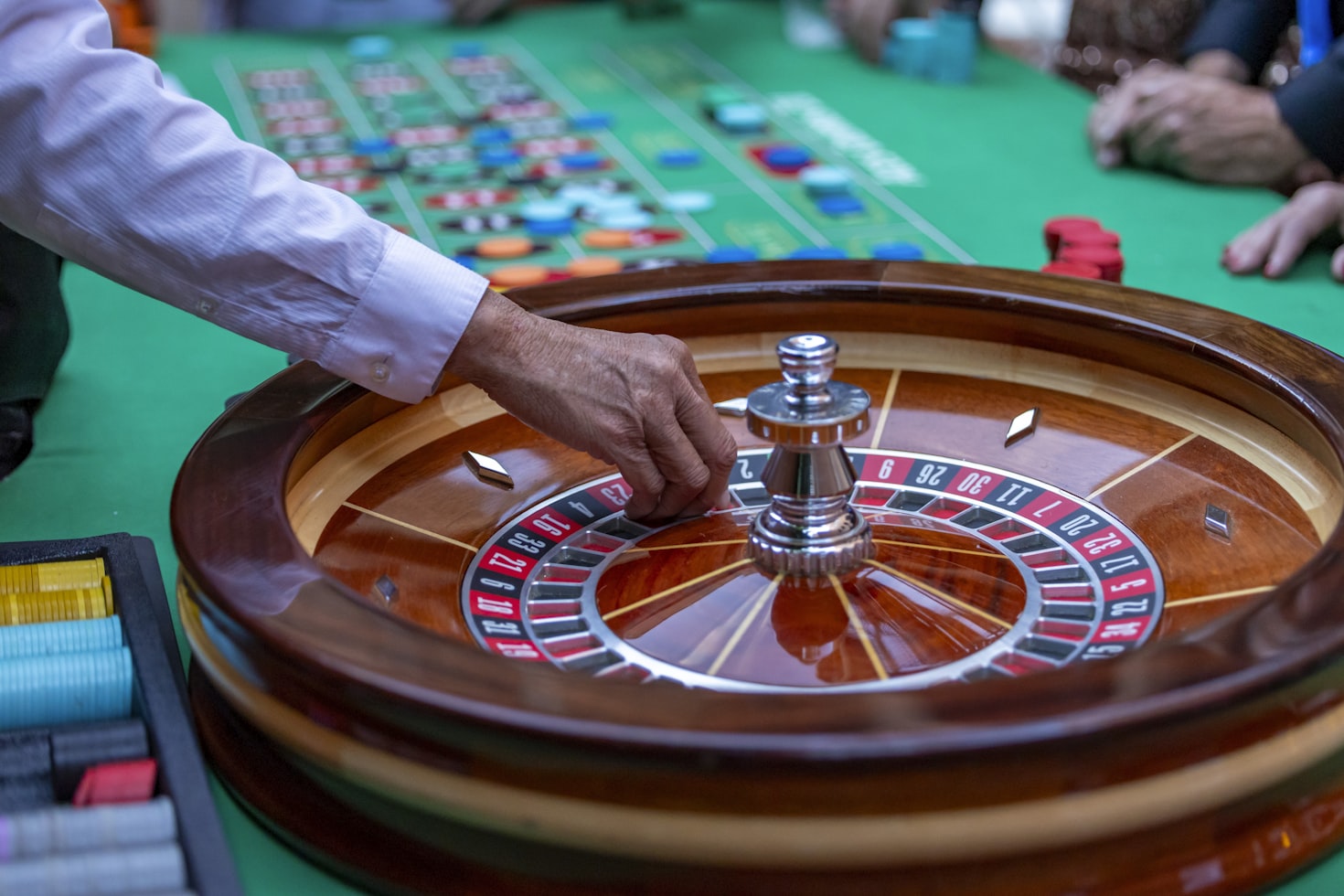
Exploring Crazy Time and its features
The Crazy Time game exemplifies many of the psychological triggers discussed. With its vibrant visuals, interactive elements, and multiple game rounds, it immerses players in a captivating experience. The potential for substantial payouts further fuels the excitement, appealing to both new and seasoned gamblers.
As players engage with Crazy Time, they may find themselves subject to the very triggers that keep them gambling, such as emotional highs, social interactions, and unpredictable outcomes. For those looking to navigate their gambling habits, understanding these factors is essential for maintaining a healthy approach to gaming.